


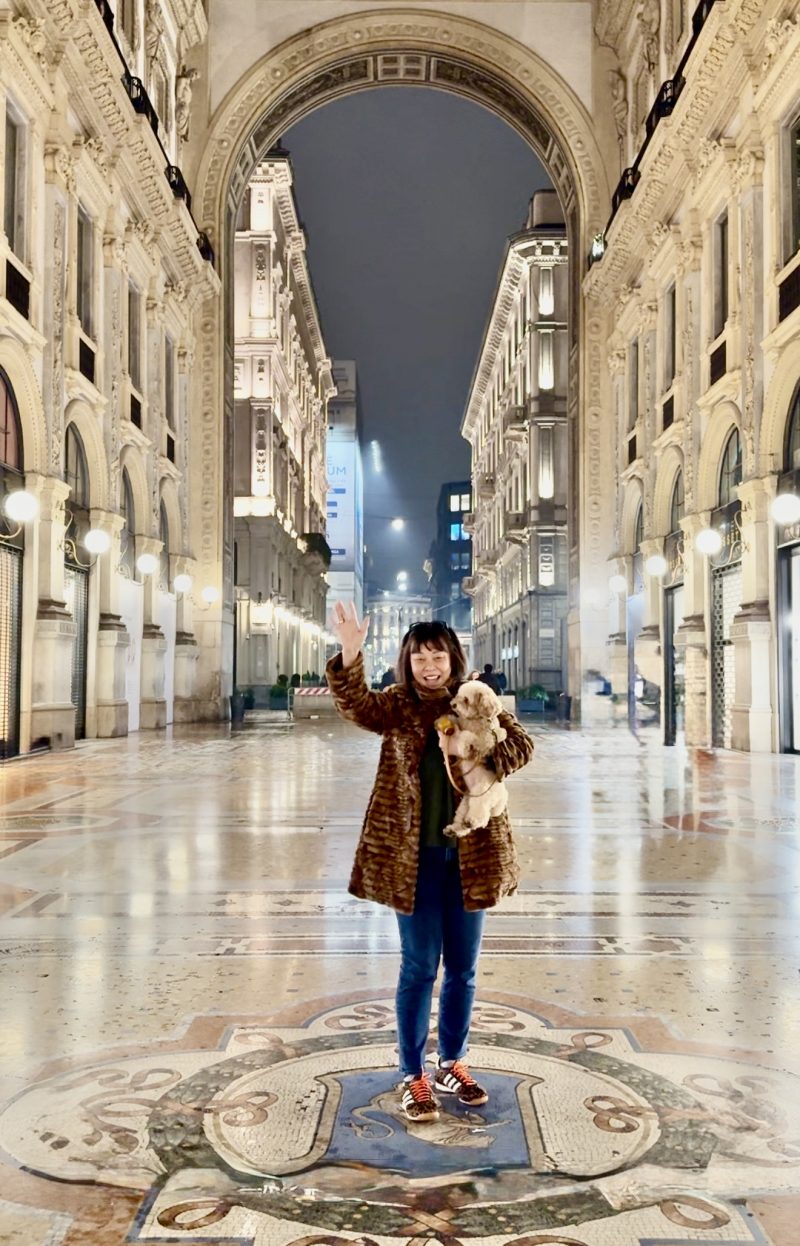
We all need all the luck we can get. So when we were at the Galleria Vittoria Emanuelle II in Milan a few weekends ago, I had to take a spin with my heel on the mosaic torino.
Legend has it that if you spin around three times with your heel on balls between its two hind legs, it will bring you good fortune. It attracts hundreds of curious and superstitious visitors daily.
While no one knows how the tradition got started, many people believe that touching the little torino mosaic brings good luck.
Am I superstitious? I do think about:
- Lucky and Unlucky Numbers – I avoid the number 13, while 7 is seen as lucky. In Asia, 4 is avoided because it sounds like “death” in Chinese.
- Breaking a Mirror – I would be upset if I did break a mirror as it is thought to bring seven years of bad luck.
- Knocking on Wood – How often do we do this – mentioning something hopeful or fortunate?
- Black Cats – I do stop in my tracks when a black cat crosses my path.
- Spilled Salt – Some believe throwing a pinch of spilled salt over the left shoulder wards off bad luck.
- Walking Under a Ladder – I definitely avoid this – not just because it could bring misfortune but not wanting the person on the ladder to drop something on me when walking under it!
A superstition is a belief or practice rooted in the idea that certain actions, objects, or events can influence future outcomes in ways that defy logic or science. Often passed down through cultural traditions, folklore, or personal experiences, superstitions are typically associated with luck, fate, or protection from misfortune.
Superstitions often serve as comforting rituals, especially in high-pressure situations. Many athletes, actors, or performers follow pre-game or pre-show routines to feel mentally prepared. Similarly, people may turn to superstitions before exams, important meetings, or flights. These habits create a psychological sense of control, stability, and reassurance in uncertain situations.
When a superstition seems to “work”—for example, wearing a so-called lucky shirt on a day that brings good news—it reinforces the belief, even if the outcome was purely coincidental. Over time, these experiences strengthen the perception that certain actions or objects bring luck or protection.
At its core, superstition is a way to cope with life’s unpredictability. This is why such beliefs often emerge during times of uncertainty, crisis, or upheaval. However, while they can provide comfort, they may also lead to irrational fears or even influence major decisions. Ultimately, superstitions reflect the universal human desire for control and reassurance in an unpredictable world.
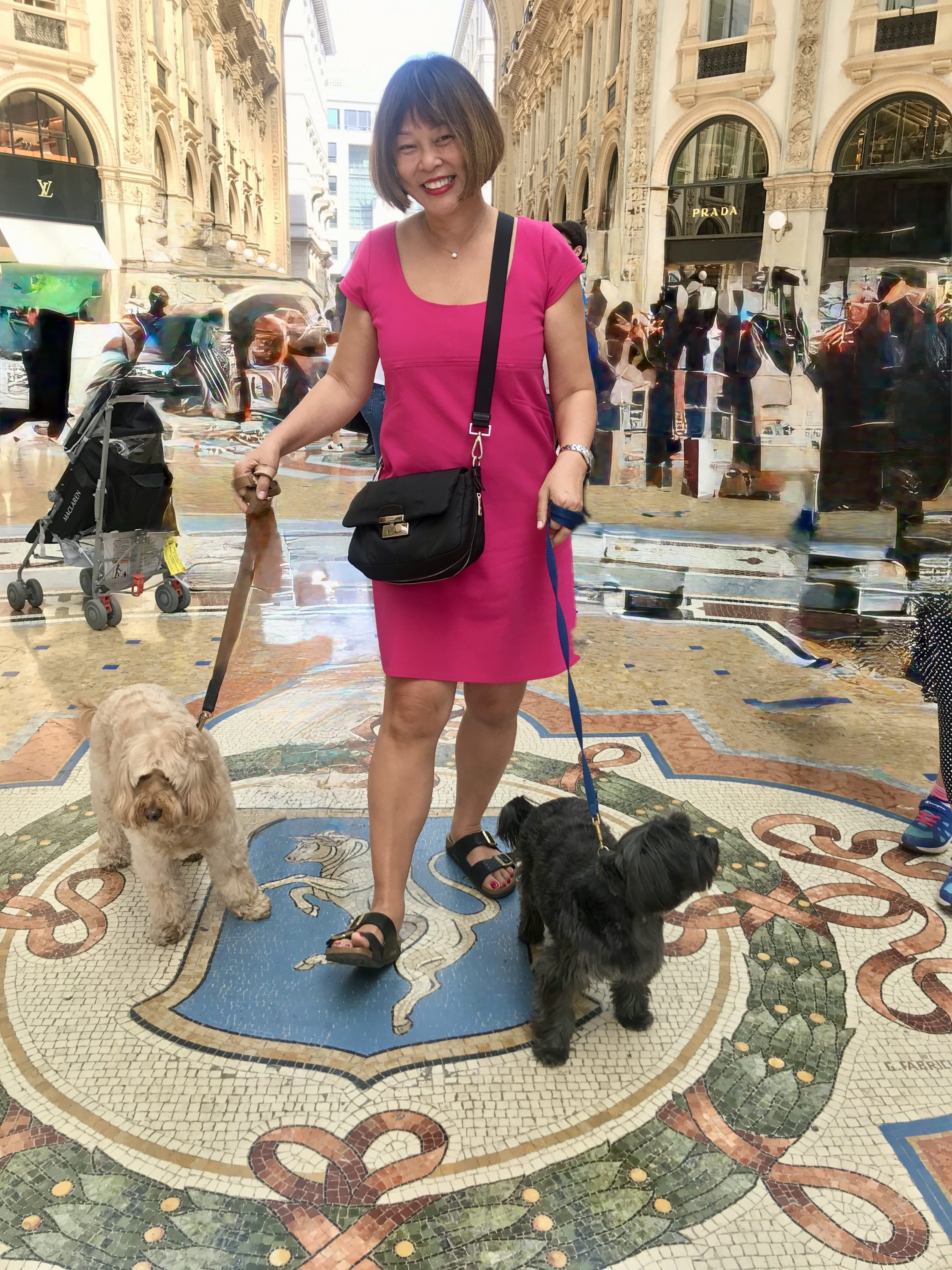
Whenever I walk past the bull mosaic in Milan, I can’t help but take part in the ritual—because why not welcome a little extra fortune? There may be no deep folklore or history behind it, but some traditions are worth indulging in. And perhaps it worked—because I’ve been truly fortunate, blessed with three wonderful pooches to love and who love me right back.

What are some of your superstitions?


