



I have a little heart murmur. When we were in Paris and having a routine exam before returning to the UK, the vet detected a heart murmur – which immediately got Mum all worried.
When we got home, we visited our local vet (Kynance Medivet) and they confirmed that I indeed do have a heart murmur. Though it was a very slight murmur, they suggested that I should have an echocardiograma as a way to monitor any future deterioration. That explains my little bandaged leg for a cannula.
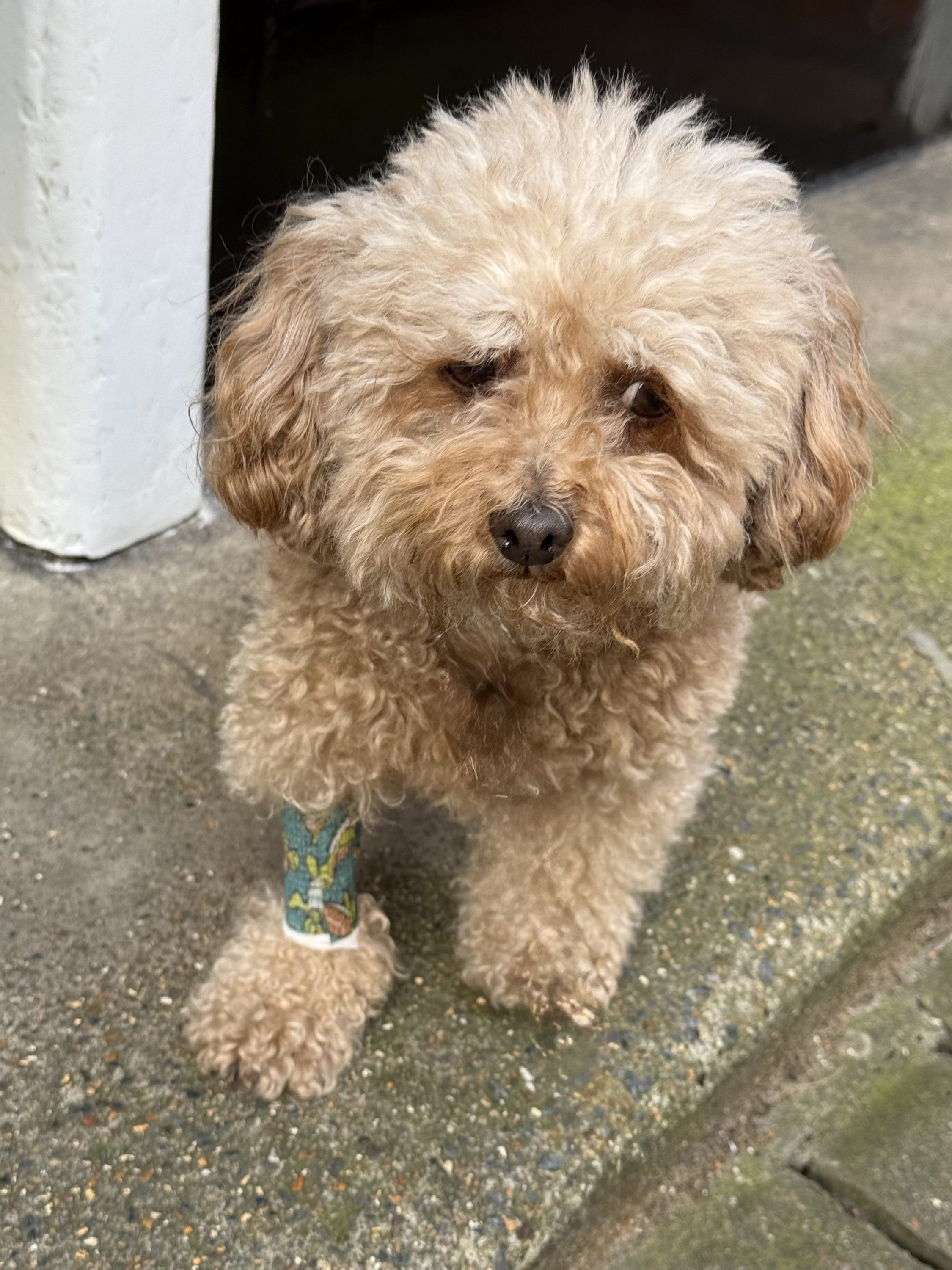
The scan results show that I have the very beginning of Mitral Valve Degeneration (MVD). It is the most common heart disease in dogs, particularly affecting older, small-breed dogs. We are not quite sure of my age, but they have estimated that I must be at least 8 years of age.

May: Not what I wanted to hear but we have detected it very early on.
This condition involves the gradual deterioration of the mitral valve—a crucial component that ensures one-way blood flow from the left atrium to the left ventricle in the heart. As the valve degenerates, it thickens and becomes misshapen, leading to improper closure. This malfunction allows blood to leak backward into the left atrium, a condition known as mitral regurgitation. VetSpecialists.com
Early detection and proactive management can significantly enhance the quality of life for dogs with MVD. Lulu has never been better. She is walking, running, jumping and dancing with ease. But keeping in mind her condition. We will do another check-up in six months.
Symptoms: Initially, heart murmurs may not cause any obvious symptoms. As the condition progresses, signs of heart failure may develop, including:
- Coughing
- Difficulty breathing or breathlessness
- Fatigue, lethargy
- Fainting
- Weight loss
- Swollen abdomen (ascites)
While it is a progressive condition with no cure, management focuses on alleviating symptoms and slowing progression. Treatment may include medications to reduce the heart’s workload, control blood pressure, and manage fluid accumulation. Regular veterinary check-ups are essential to monitor the disease’s progression and adjust treatment as needed. PDSA – The vet charity for pets in need


