



Laika: The Little Dog Who Reached for the Stars
In space exploration’s vast, shimmering history, names are etched into legend — Yuri Gagarin, Neil Armstrong, Valentina Tereshkova. But long before them, there was Laika: a small stray dog from the streets of Moscow who became the first living creature to orbit Earth. Her story is extraordinary and heartbreaking — a tale of courage, sacrifice, and the complex ethics of human ambition.
The Stray Who Became a Space Pioneer
Laika, a gentle, mixed-breed dog, was plucked from the chilly streets of Moscow in 1957. The Soviet space program specifically sought stray dogs for its space experiments, believing these animals would be better adapted to the harsh conditions of survival and scarcity. Laika — whose name means “Barker” in Russian—was chosen for her calm temperament, small size, and tolerance of confinement.
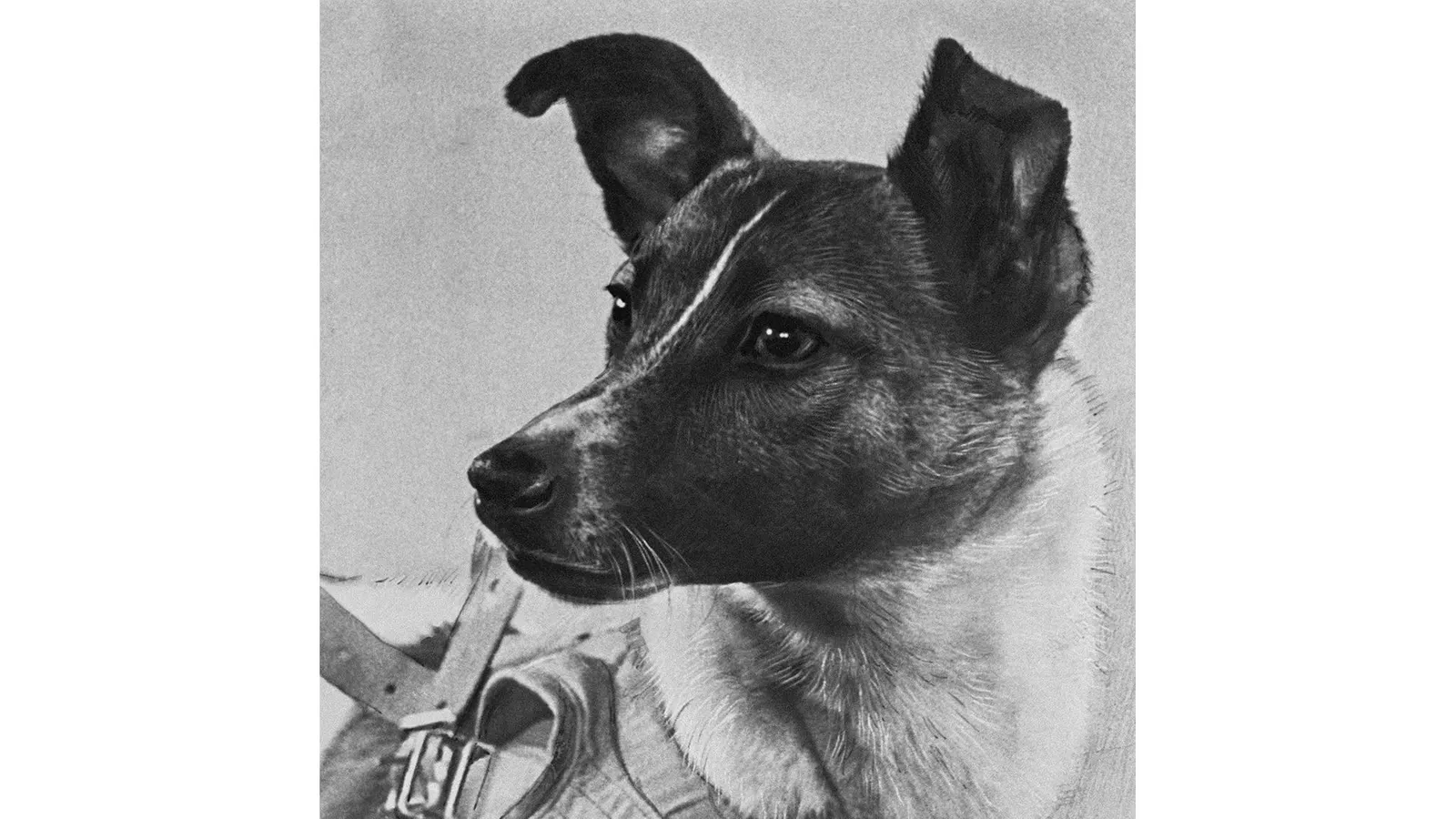
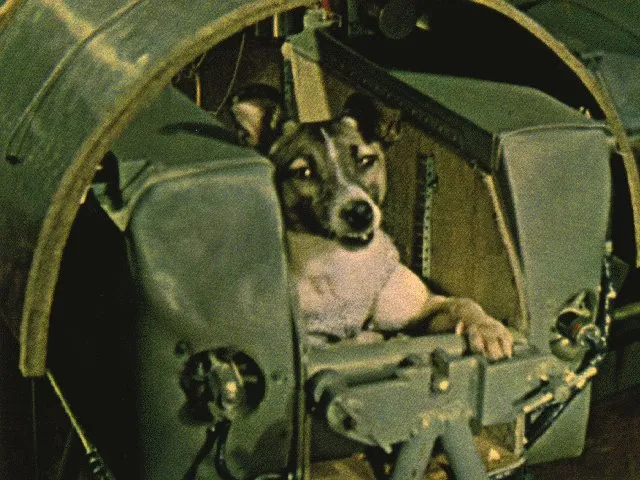
Her mission was to travel aboard Sputnik 2, launched on November 3, 1957, marking humanity’s first attempt to send a living being into orbit.
Why Laika Never Came Back
Space travel was in its infancy at the time. No one truly knew what would happen to a living organism exposed to the weightlessness of orbit. Tragically, there was never a plan to bring Laika home. The technology for a safe re-entry and recovery did not exist.
The official Soviet narrative initially claimed Laika survived for several days in orbit. Still, decades later, it was revealed that she likely died within five to seven hours of launch, due to overheating and stress. The primitive thermal control system aboard Sputnik 2 failed shortly after reaching space. Laika’s small capsule overheated rapidly as the spacecraft’s systems struggled to cope with the sun’s intensity, and she died from a combination of heat and panic.
Her death was unavoidable given the limitations of the time, but also deeply controversial. Even then, many scientists and animal welfare advocates questioned the ethics of sending an animal on a one-way mission with no chance of survival.
Why It Happened
The Cold War era was a time of fierce competition between superpowers. The Soviet Union wanted to maintain its lead in the Space Race after the success of Sputnik 1, the first artificial satellite. Laika’s mission was as much a political statement as a scientific experiment — proof that life could survive the launch, orbit, and zero-gravity conditions of space, at least for a time.
Her flight paved the way for future human missions by providing critical data on the biological effects of space travel. But it came at a terrible cost.
Laika’s Legacy
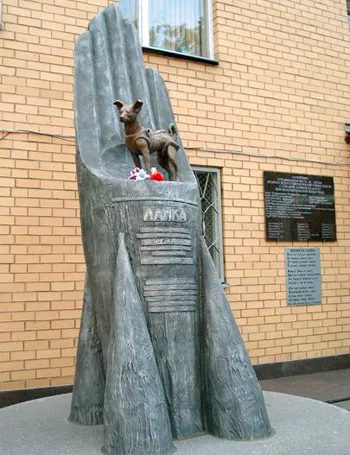
It took over half a century, but Laika’s story was finally acknowledged as a tragedy and a source of regret within the Russian space program. In 2008, a memorial to Laika was unveiled in Moscow: a small statue of the dog standing atop a rocket, honouring her place in history.
Laika’s story poignantly reminds us of the ethical complexities of scientific progress. Her sacrifice contributed to the knowledge that would one day allow humans to venture beyond Earth safely. Still, it underscored the responsibility we bear toward the living beings placed in harm’s way for the sake of discovery.
Today, she is remembered not just as a footnote in the annals of spaceflight but as a symbol of loyalty, courage, and the innocent lives forever changed by human ambition.
“We did not learn enough from the mission to justify the death of the dog.”
— Oleg Gazenko, one of the scientists involved in Laika’s mission, speaking years later.
I had never followed up on the story of Laika and assumed she returned safely to a hero’s welcome until recently, when I read an article about her fate. Broke my heart to think how frightened she must have been and how alone she felt. Run free among the stars, little one. 🌌🐶


