


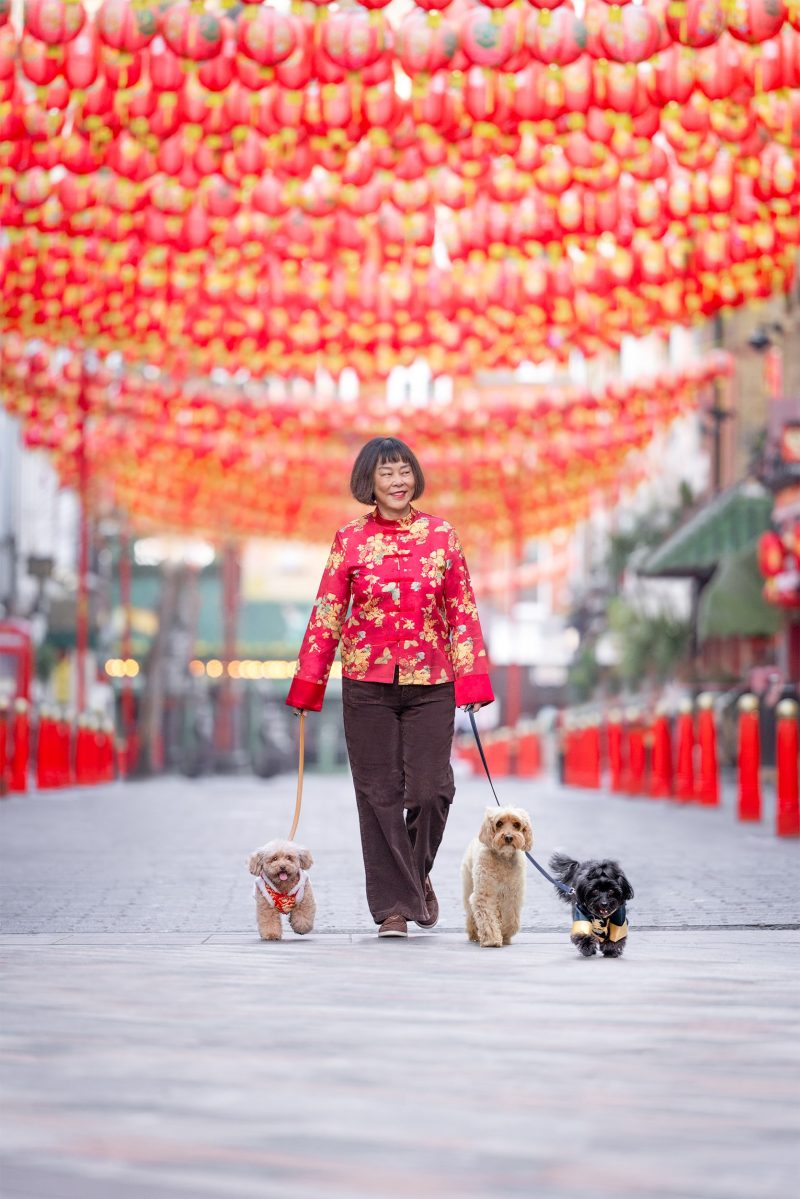
Chinese New Year is not a single celebration, but a fifteen-day journey shaped by the moon.
The New Year begins on the new moon, a moment traditionally associated with renewal and fresh beginnings.
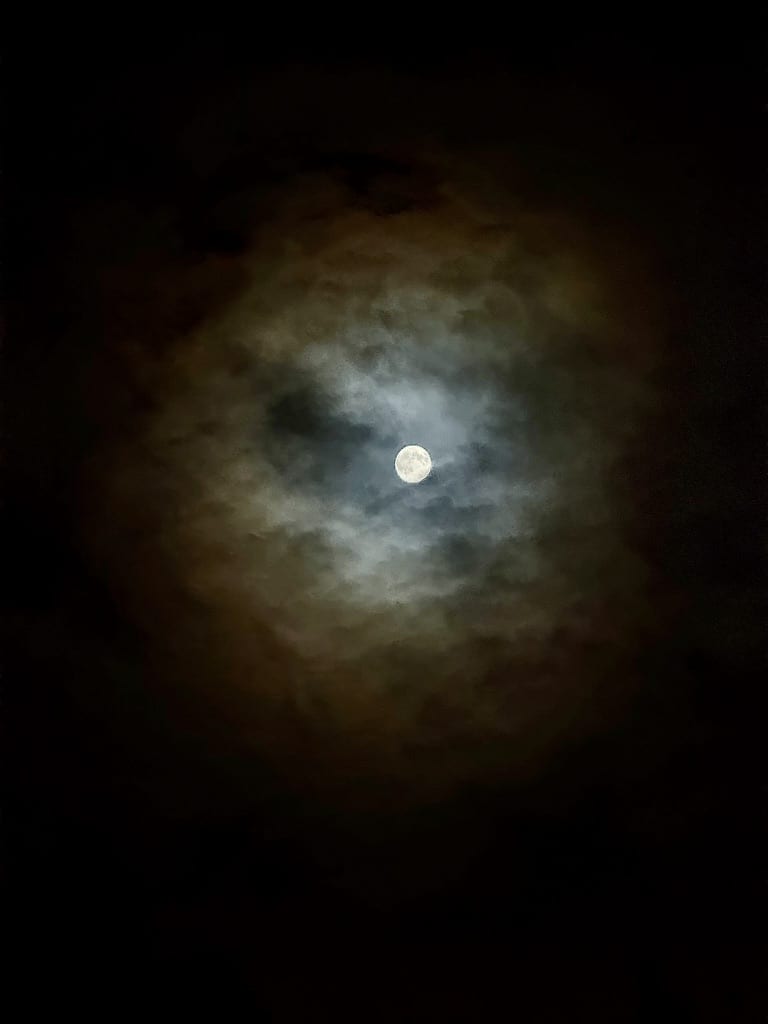
While the first days of the Chinese New Year focus on welcoming luck and prosperity, the fifteenth day, also known as the Lantern Festival, reflects something deeper. It is about completion, balance, and reunion.
The Lantern Festival falls exactly on the first full moon of the lunar year. In Chinese symbolism, the full round moon represents: Reunion, Completeness, Harmony, Family Togetherness.
The full moon marks the transition from the energetic festivities of the New Year into the steady rhythm of the year ahead.
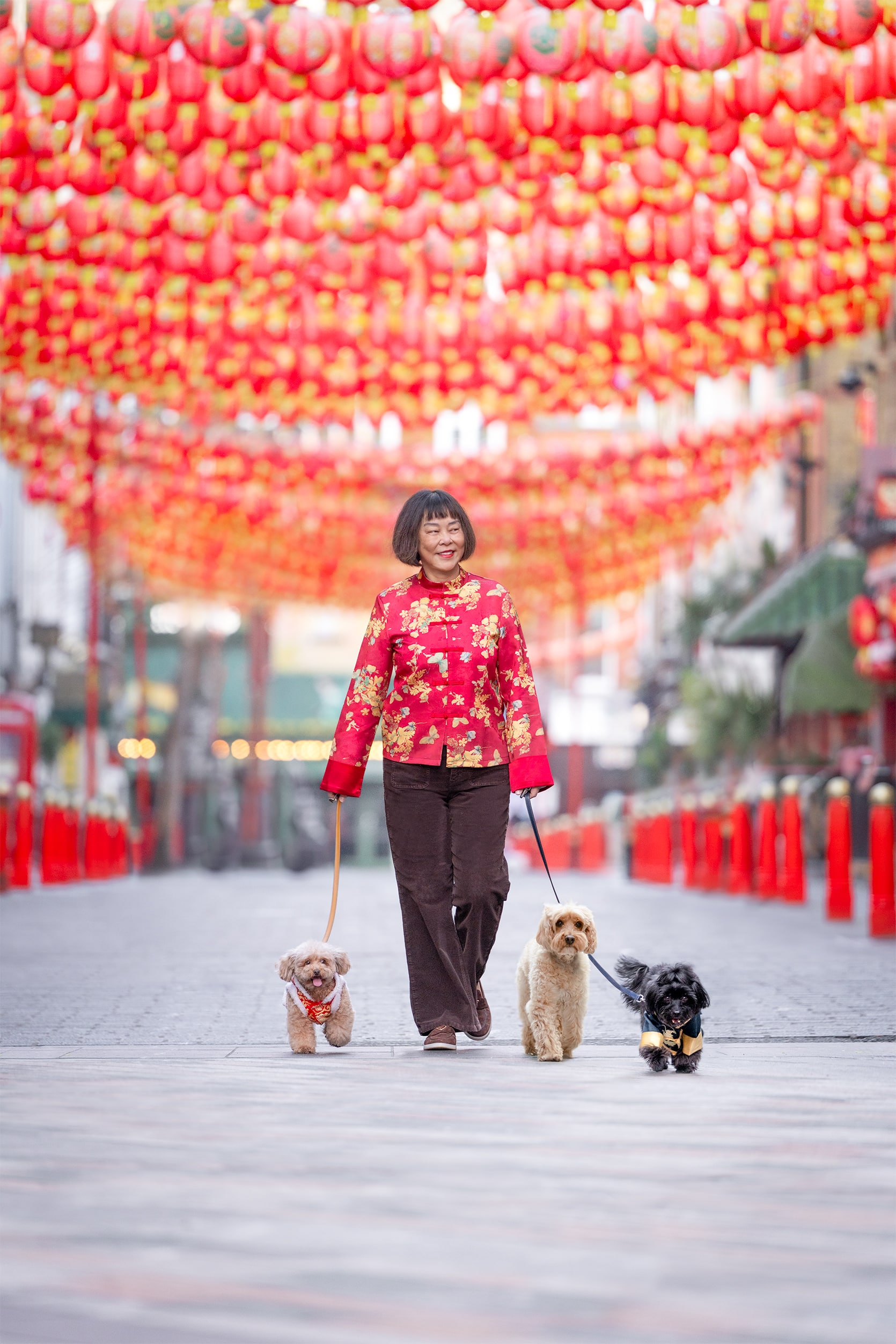
Lanterns represent light, hope, and guidance. Historically, people lit lanterns to welcome brighter days. It also symbolically illuminates the path forward.
Over time, lantern displays became more elaborate, from simple red lanterns to intricate, artistic creations. When growing up in Kuala Lumpur, we got to choose the lanterns each year – they were made into shapes of animals. And on the night of Lantern Festival, we would walk around in the evening with these lit lanterns. It was the highlight of our Chinese New Year celebrations.
Lanterns play a central role in this final evening. Lit against the night sky, they symbolise illumination and guidance, carrying wishes for a bright year ahead. As their warm glow rises beneath the full moon, human light meets celestial light, marking the close of the New Year celebrations and the true beginning of the year to come.


