This year marks the 250th anniversary of Jane Austen’s birth. Celebrations span heritage sites, immersive festivals, exhibitions, novel releases, and cultural programming.
From Bath—where her feelings were complex but creatively fruitful—to Chawton (her writing sanctuary), Reading, and Winchester, the commemorations form a rich tribute to her life’s journey.
As part of the Kitchen Chat’s 2025 Luxury, History & Hospitality (TM) Tour, we stopped in Bath to celebrate an Author who gave us the beloved Mr. Darcy, after whom Darcy was named, albeit his sister, Miss Darcy.
Jane Austen (1775–1817) first visited Bath as a young woman and later lived there between 1801 and 1806 after her father, the Rev. George Austen, retired and moved the family to the city. They initially lived at 4 Sydney Place, a fashionable address opposite Sydney Gardens (which still stands and has a plaque today). Later, they stayed at several different lodgings, including Green Park Buildings and Trim Street, though their financial circumstances deteriorated after her father died in 1805.
Jane Austen’s Bath experience was bittersweet — personally unfulfilling but artistically fruitful. She observed its social mores with wit and sharpness, immortalising the city in some of her best-loved works.
Though her time in Bath was difficult, she mined it for inspiration in her writing.
Bath features prominently in Northanger Abbey (written earlier but published posthumously in 1817)
A playful satire of Gothic novels, much of the early action takes place in Bath’s Assembly Rooms, Pump Room, and surrounding streets. It captures the city’s lively social scene through the eyes of young Catherine Morland. And in Persuasion (her final completed novel, also published in 1817)
Bath is the backdrop for Anne Elliot’s rekindled romance with Captain Wentworth. The city is portrayed with a melancholy, reflecting Austen’s more mature, nuanced view of its society.
Today, Bath actively celebrates its connection to Austen:
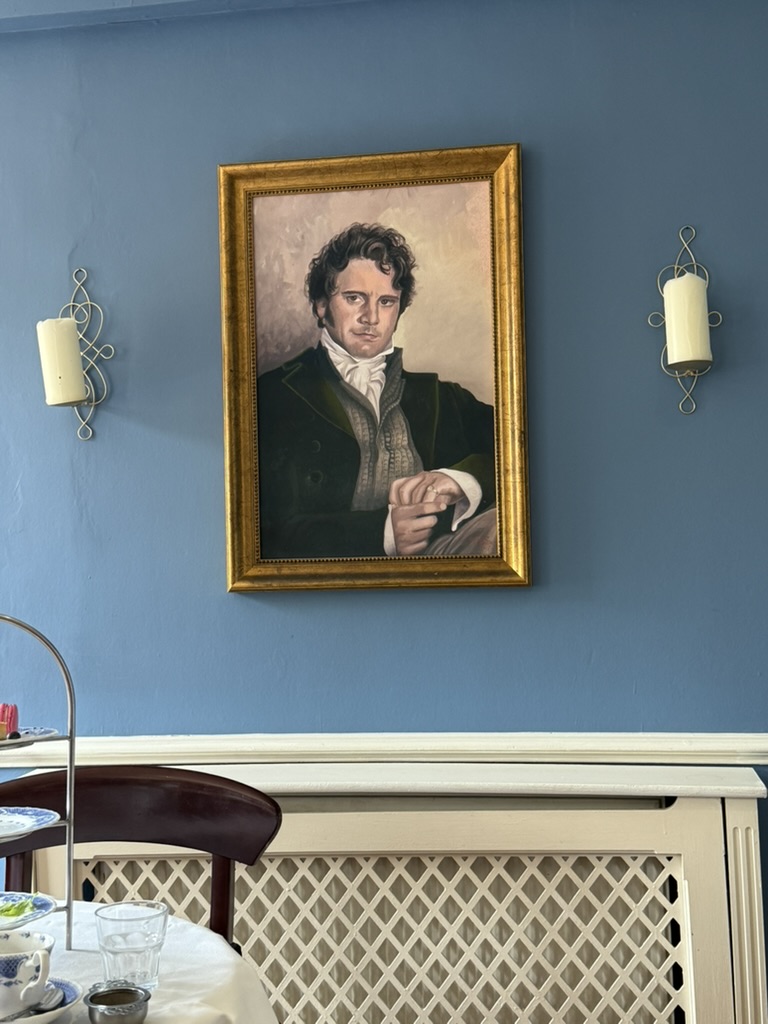
The Jane Austen Centre at 40 Gay Street explores her time in the city, her work, and the Regency era. We stopped to have the Mr. Darcy Afternoon Tea. Dogs are not allowed due to the tight space and because it is a museum. Though in the past, Miss Darcy was allowed inside the shop because of her name. LOL.

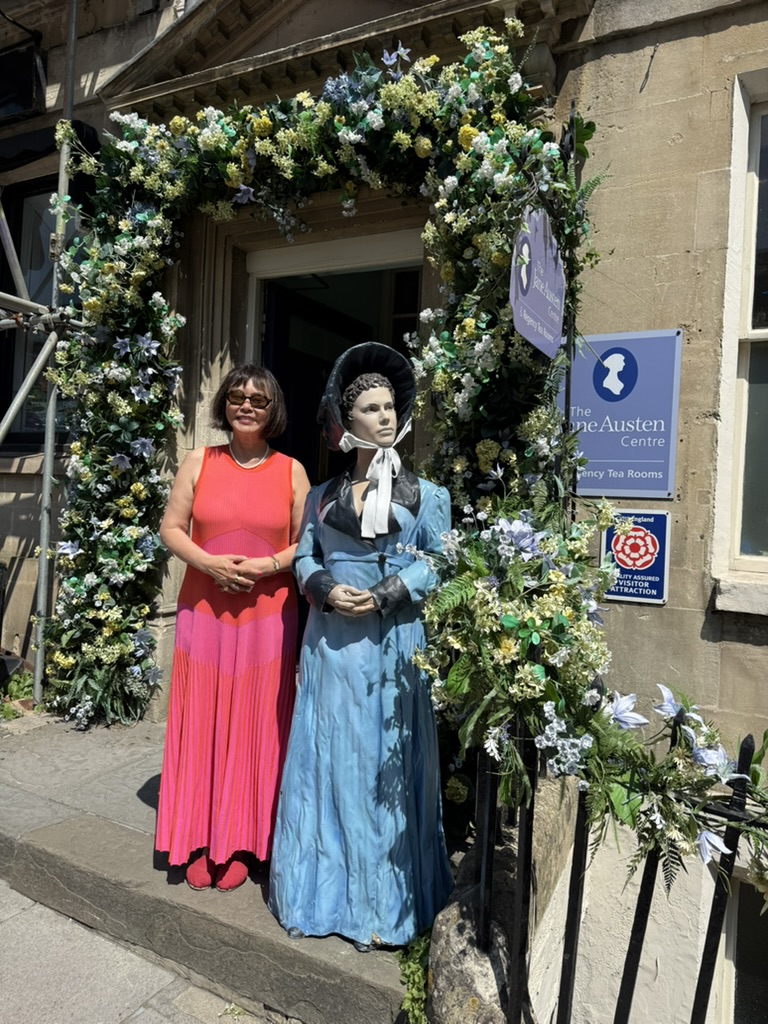
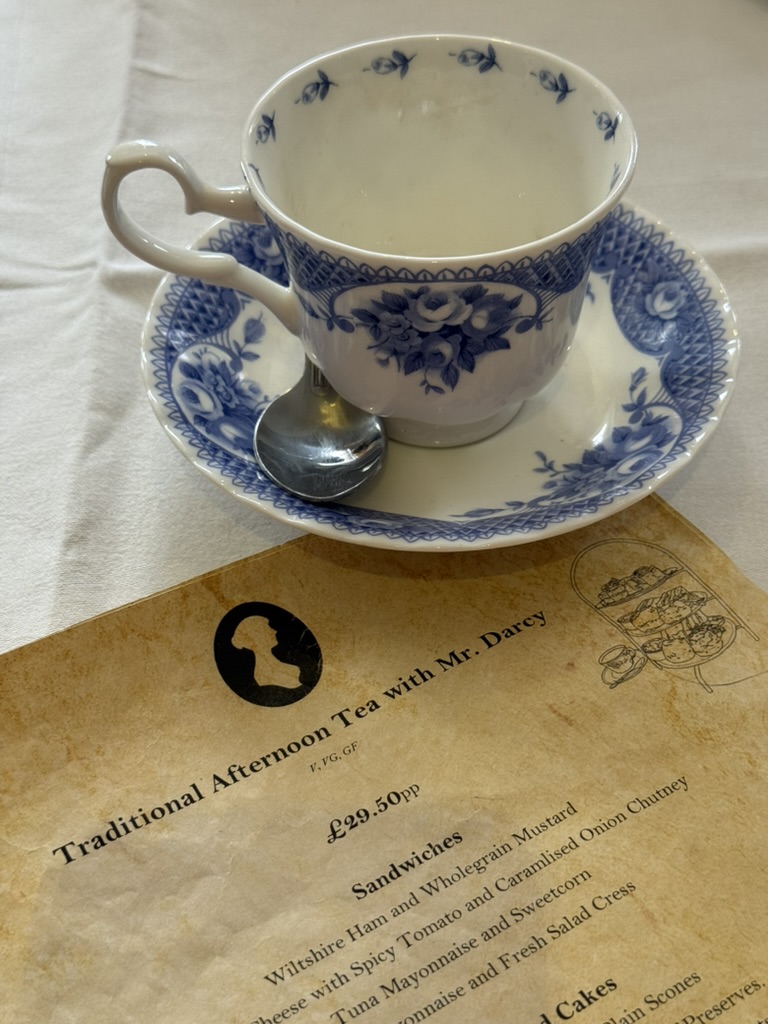
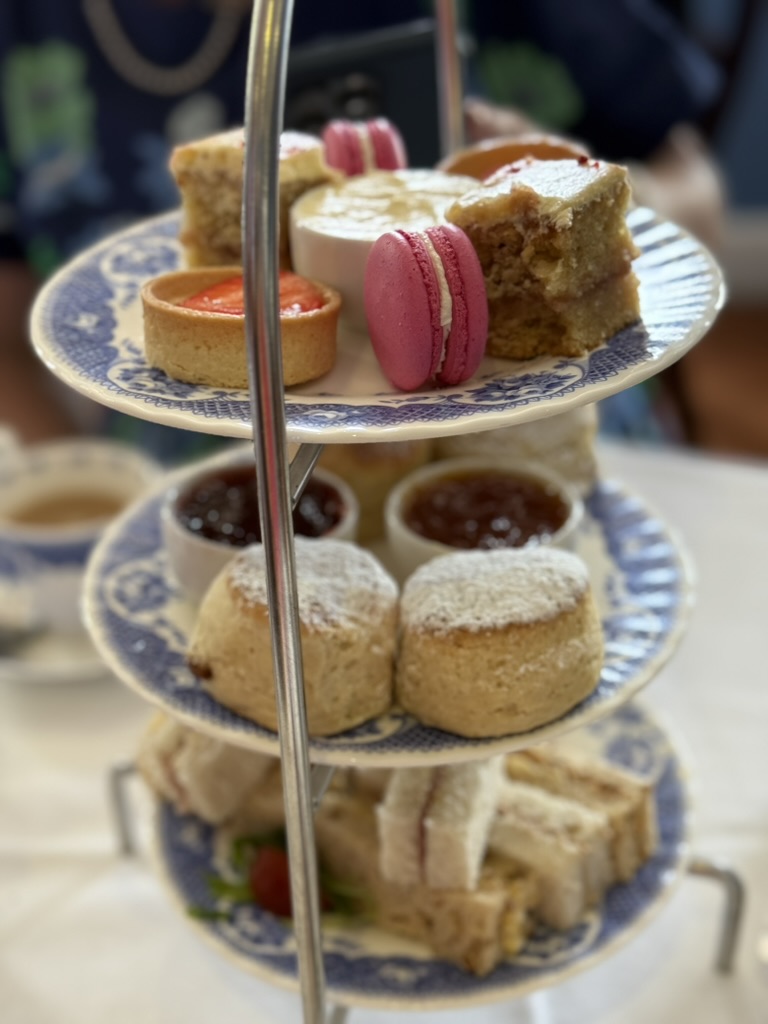
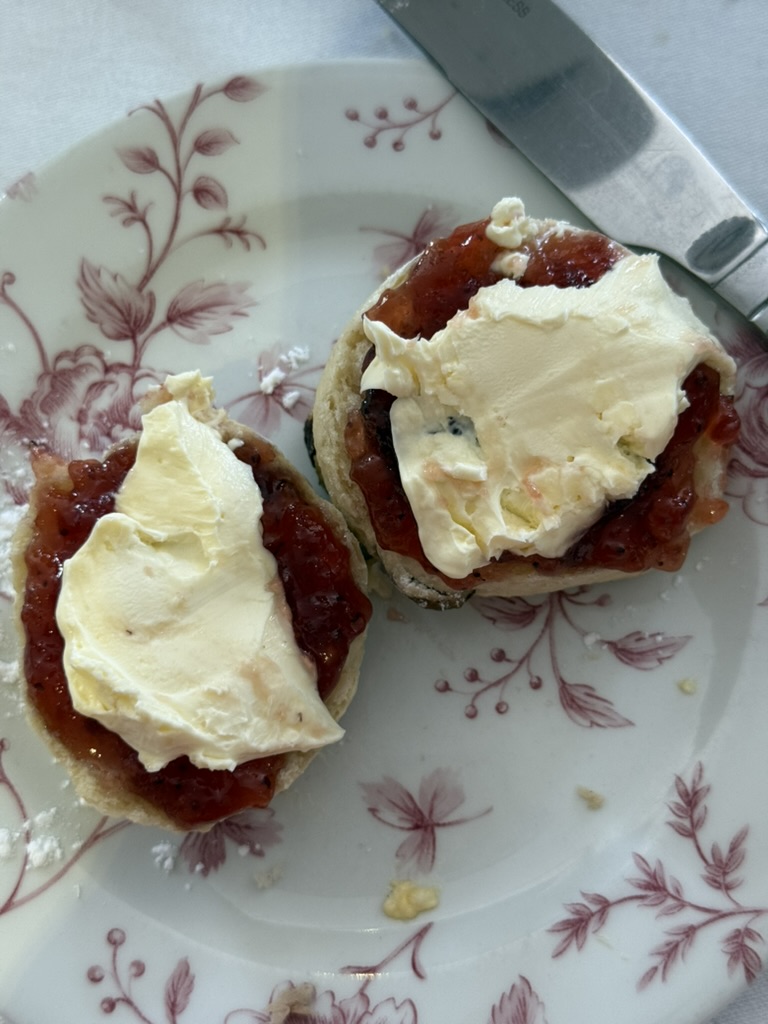
The annual Jane Austen Festival (held every September) sees fans in period costume recreate scenes of Regency life with balls, parades, and readings.
Many Bath landmarks mentioned in her novels, like the Assembly Rooms and Pump Room, can still be visited.
In Bath, we always stay at our much-loved destination, The Royal Crescent Hotel and Spa. It is a sweeping row of 30 terraced Georgian houses designed by the celebrated architect John Wood the Younger and built between 1767 and 1775. It’s one of Britain’s finest Georgian architecture, instantly recognisable by its grand Palladian façade and perfect crescent shape overlooking the city’s Royal Victoria Park.
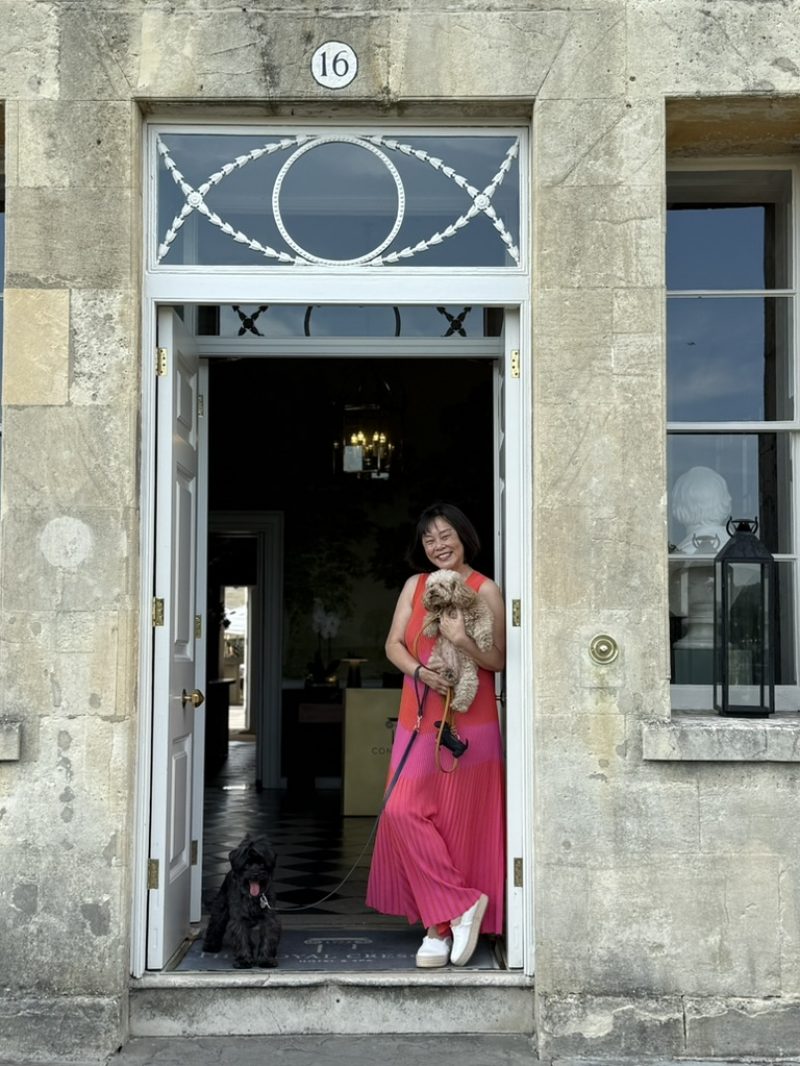
The Royal Crescent Hotel & Spa occupies Nos. 15 and 16 of Bath’s iconic Royal Crescent — two of the original 18th-century townhouses built as fashionable residences for affluent visitors drawn to the city’s famed spa waters and glittering social scene.
No. 16 was first transformed into a guest house in 1950, but it wasn’t until 1971 that both houses were elegantly combined to create The Royal Crescent Hotel. Since then, the property has beautifully preserved its authentic Georgian grandeur, while seamlessly introducing discreet modern luxuries.
One of its most enchanting features is the hidden garden at the rear — a serene, flower-filled oasis you’d never suspect from the grand Palladian façade of the Crescent.
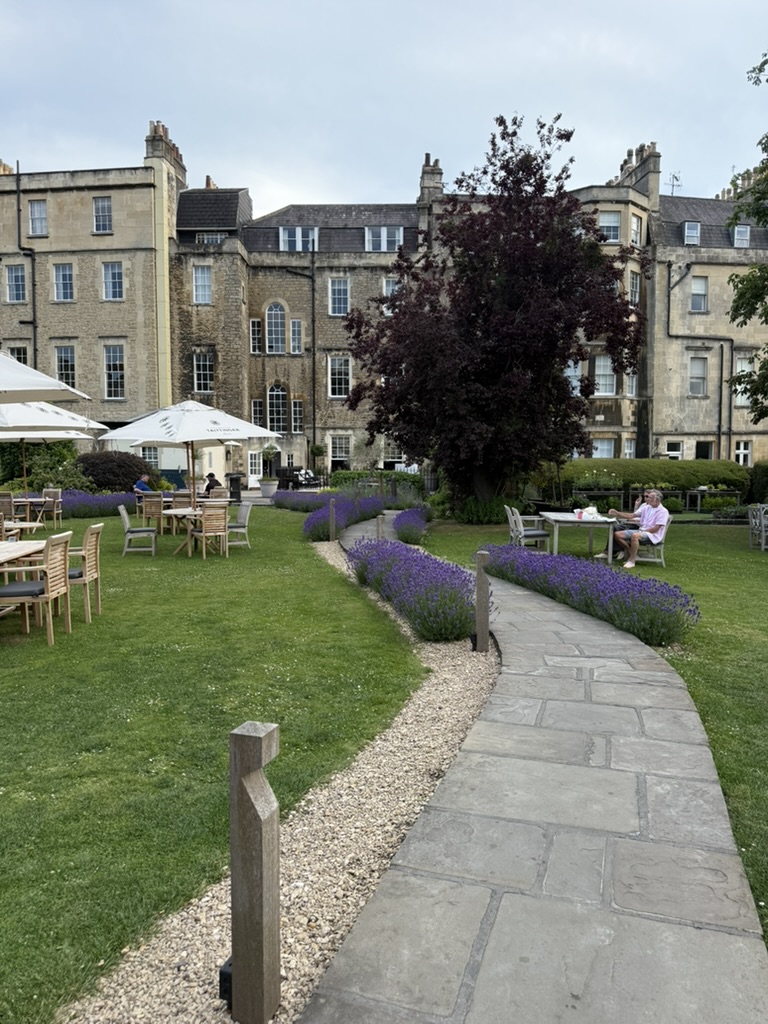
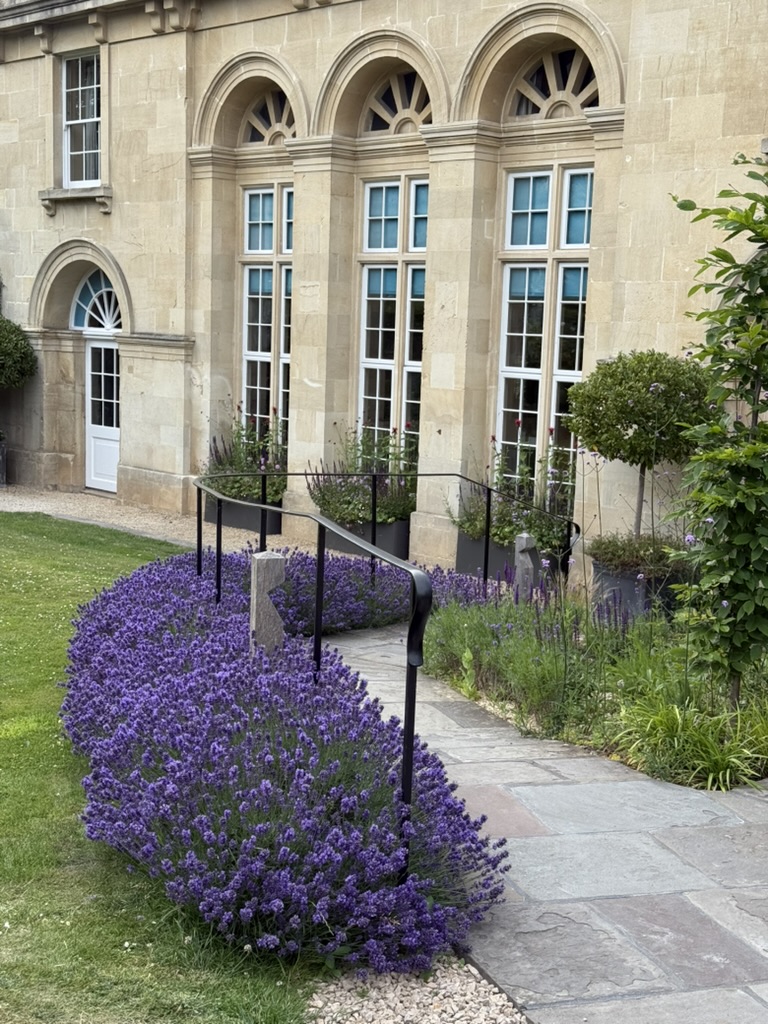
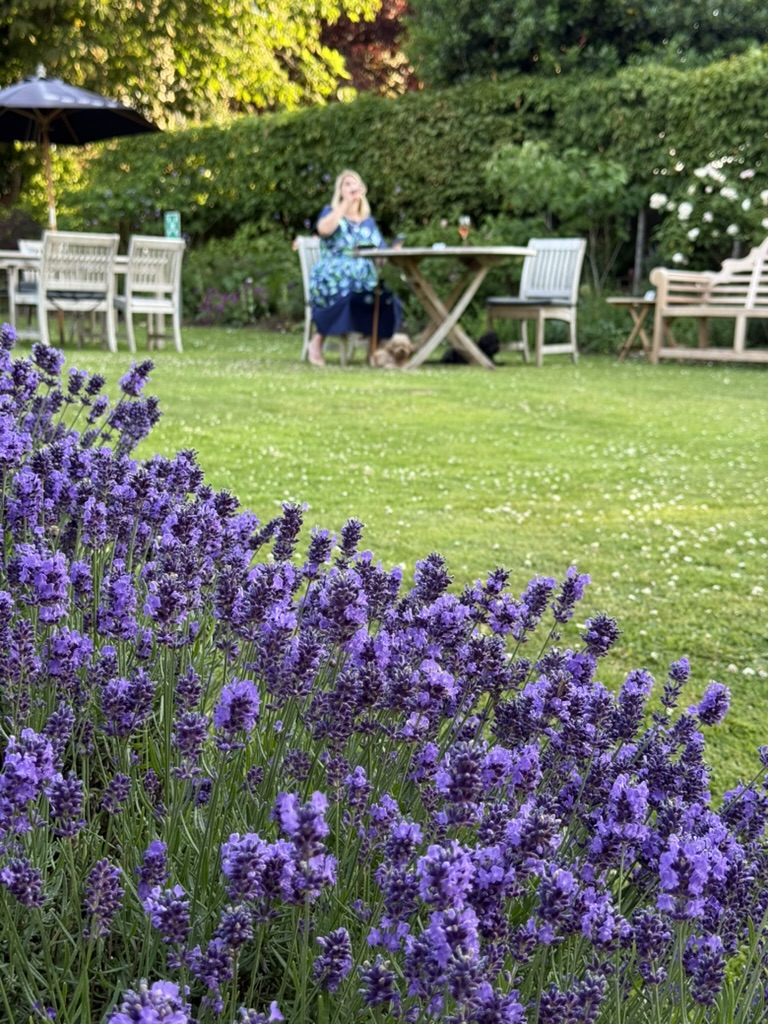
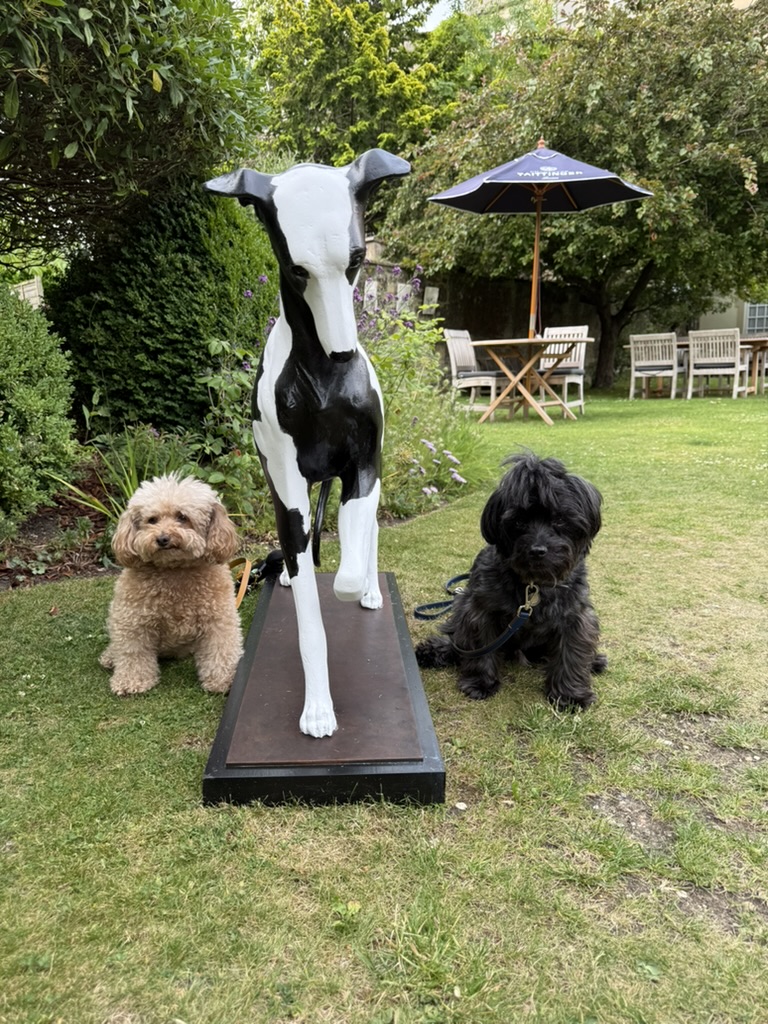
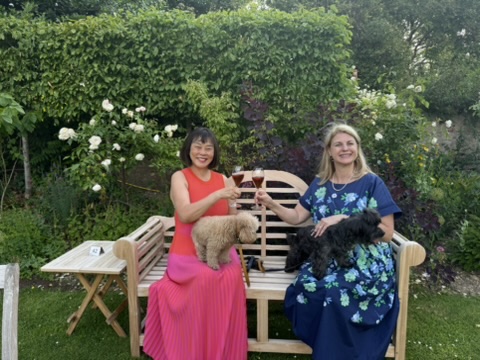
Its seasonal blooms and manicured lawns offer a romantic contrast to the stately symmetry of the historic architecture.

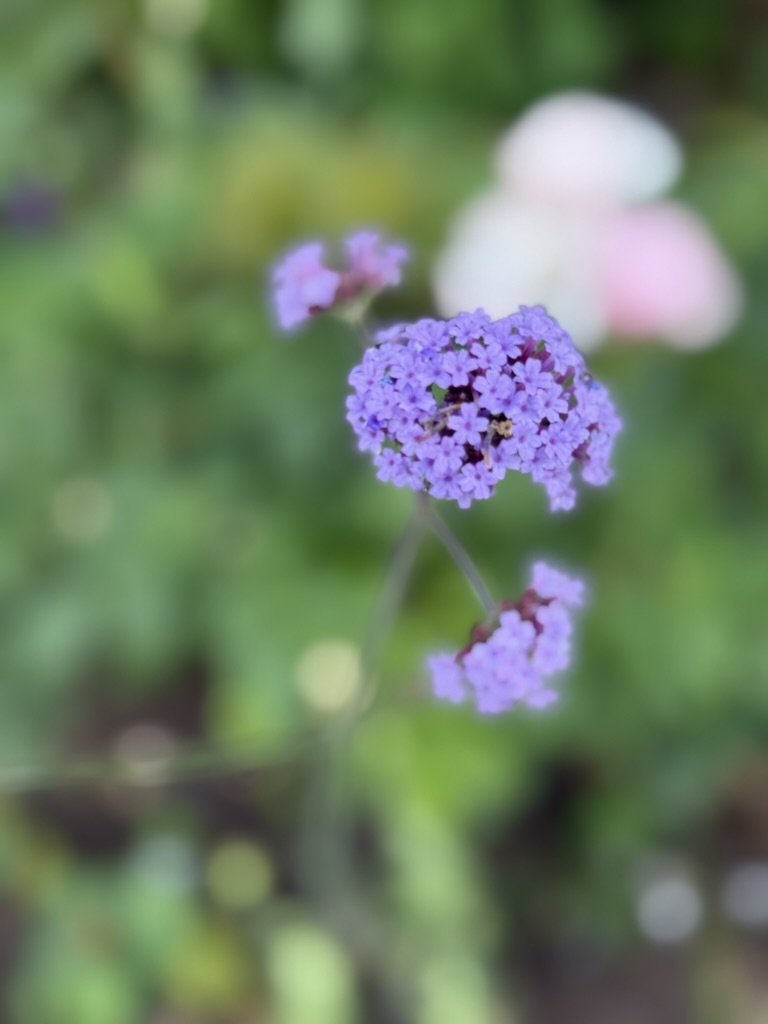
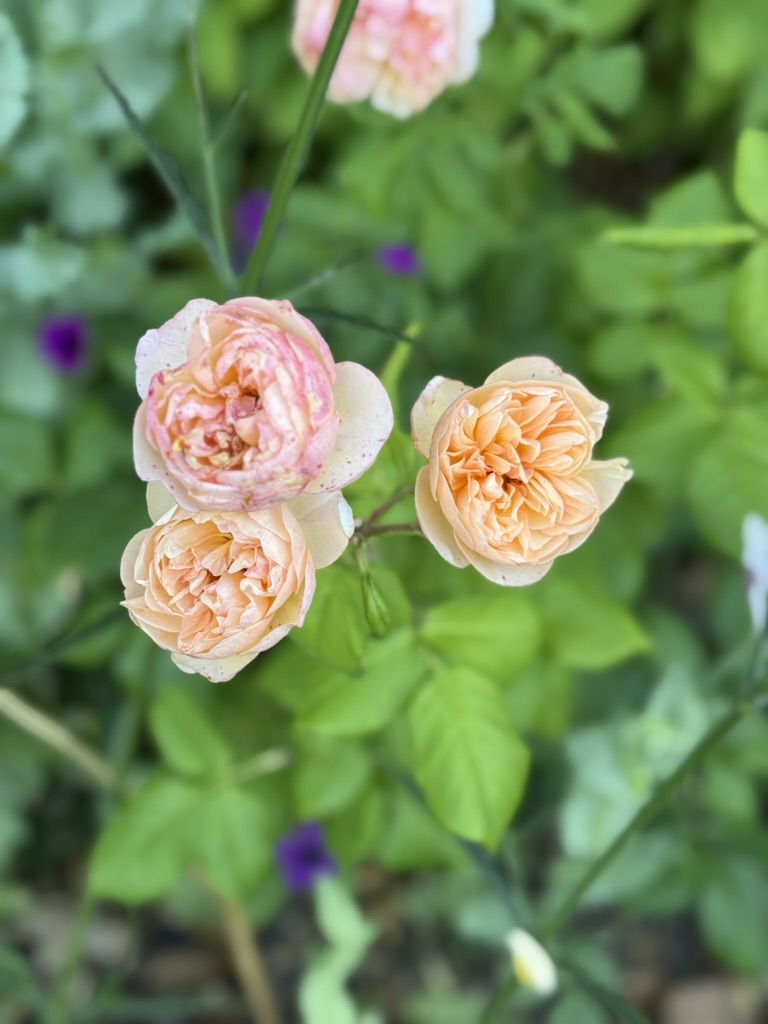
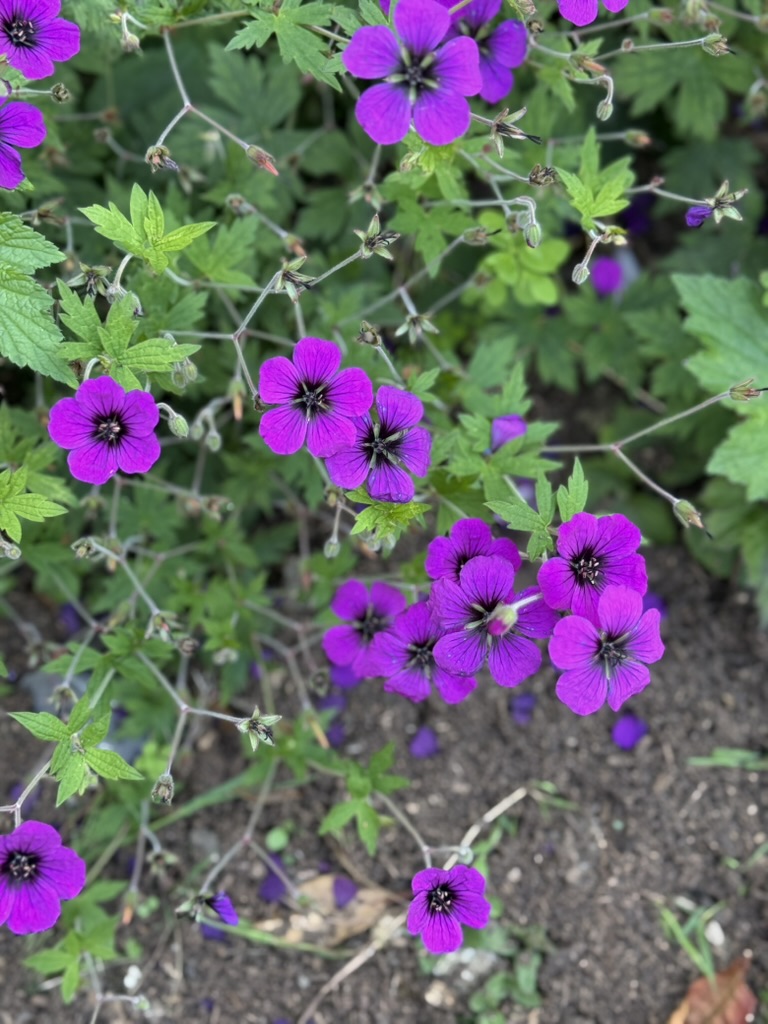

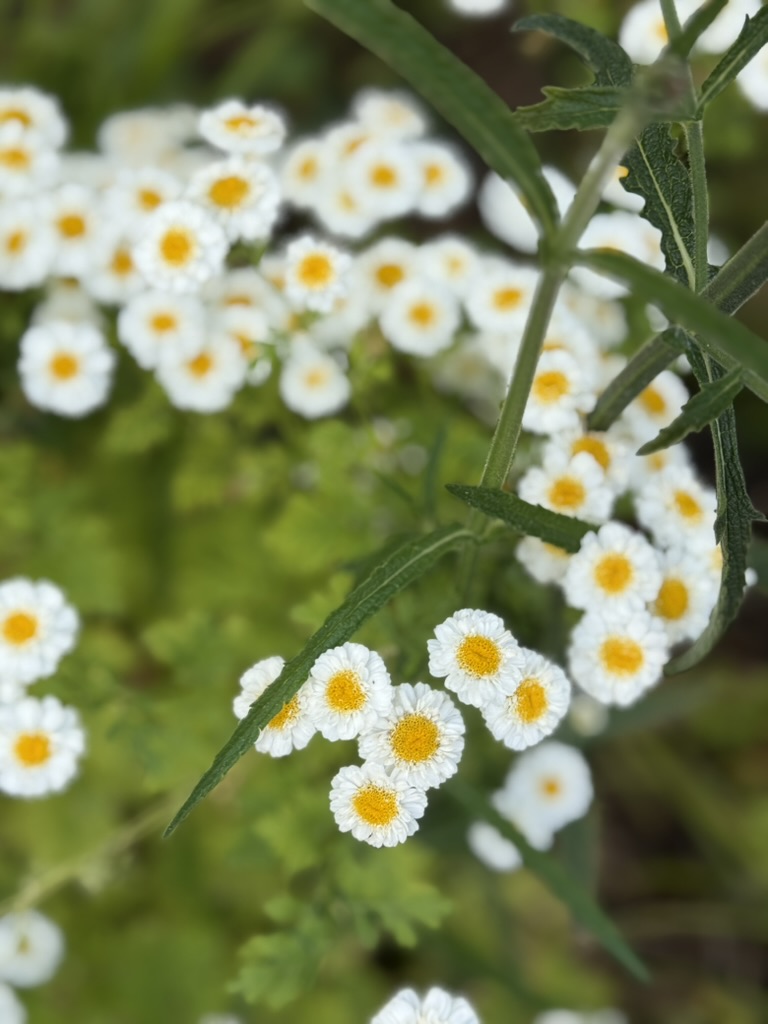

Over the years, the hotel has undergone sensitive restorations, carefully maintaining its period details—from ornate cornicing to grand sash windows—while adding a renowned spa, fine-dining restaurant, and elegant period lounges. Today, The Royal Crescent Hotel & Spa stands as a timeless haven of five-star refinement, where Georgian charm meets contemporary comfort in the heart of Bath.
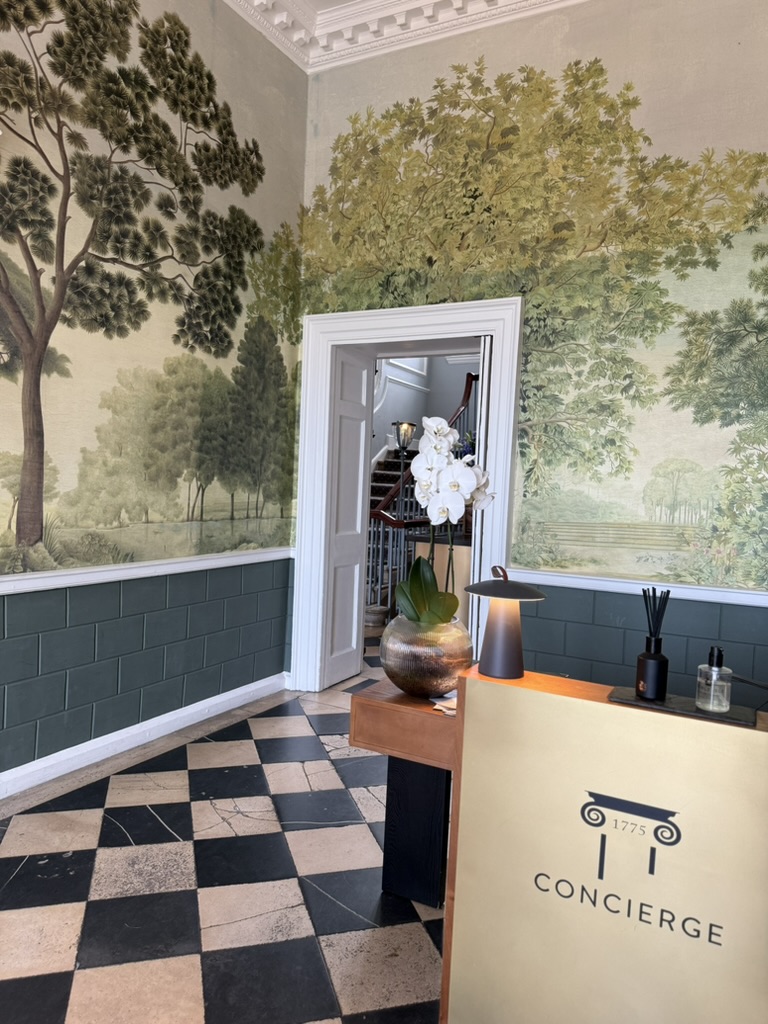
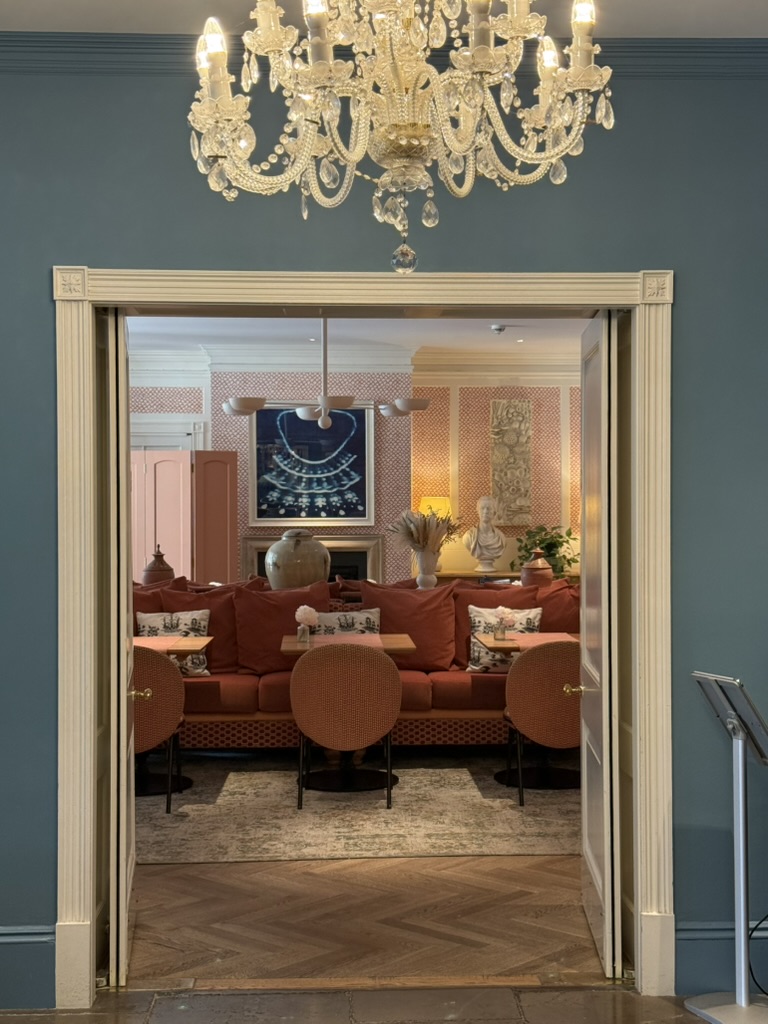
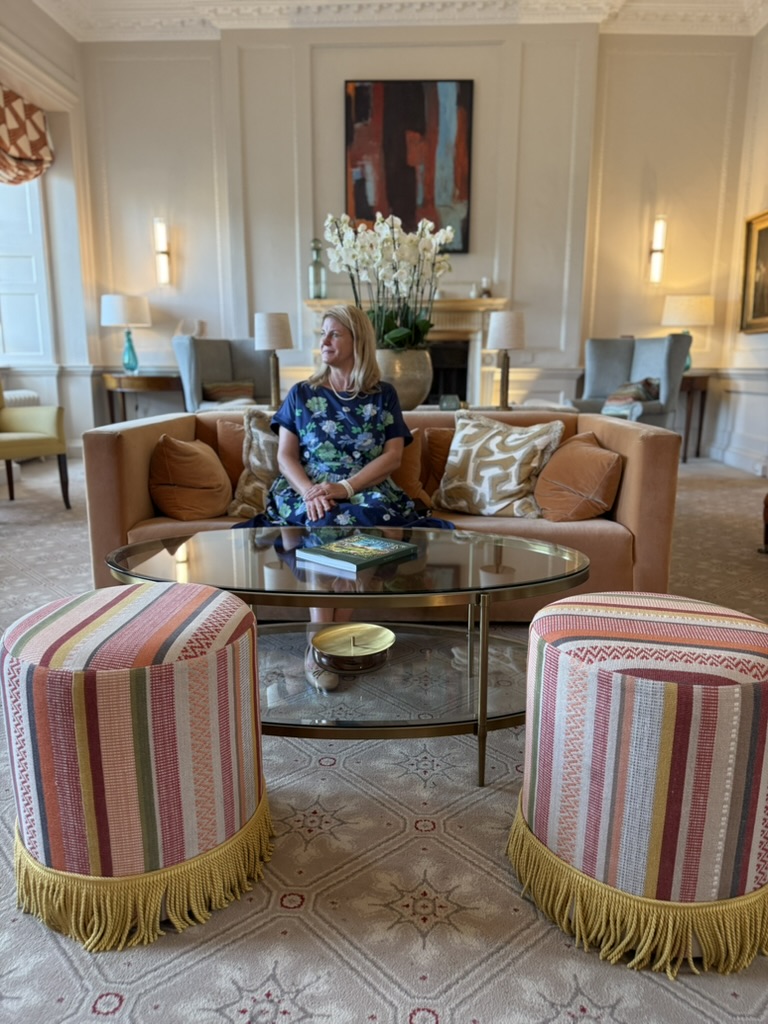
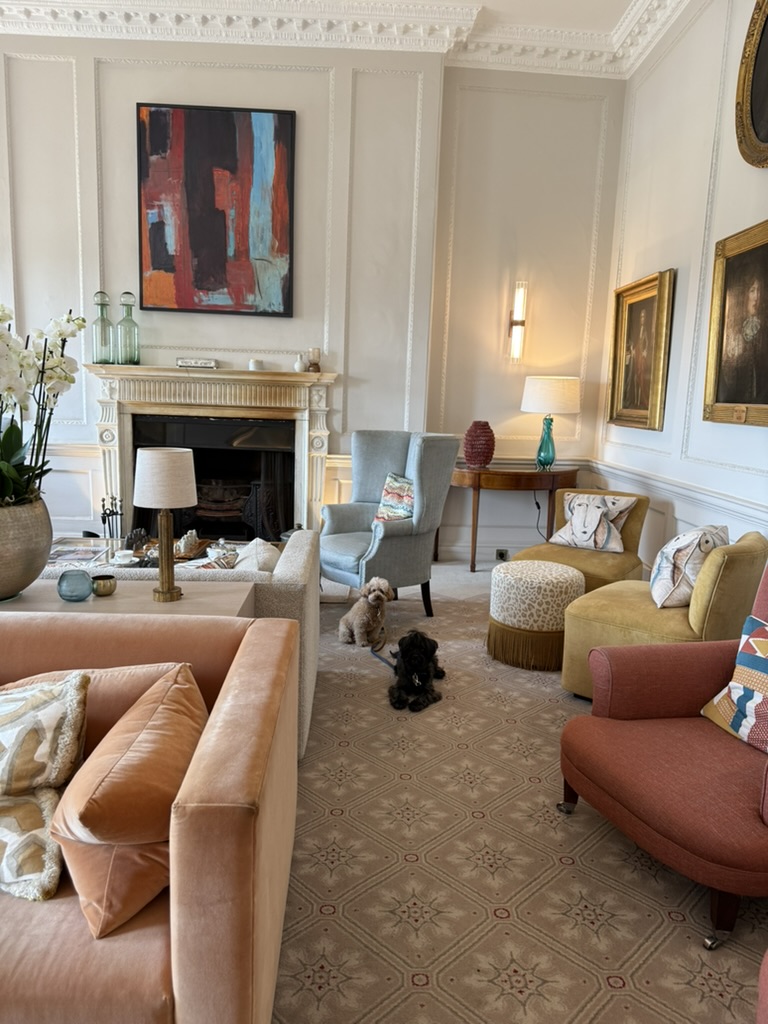
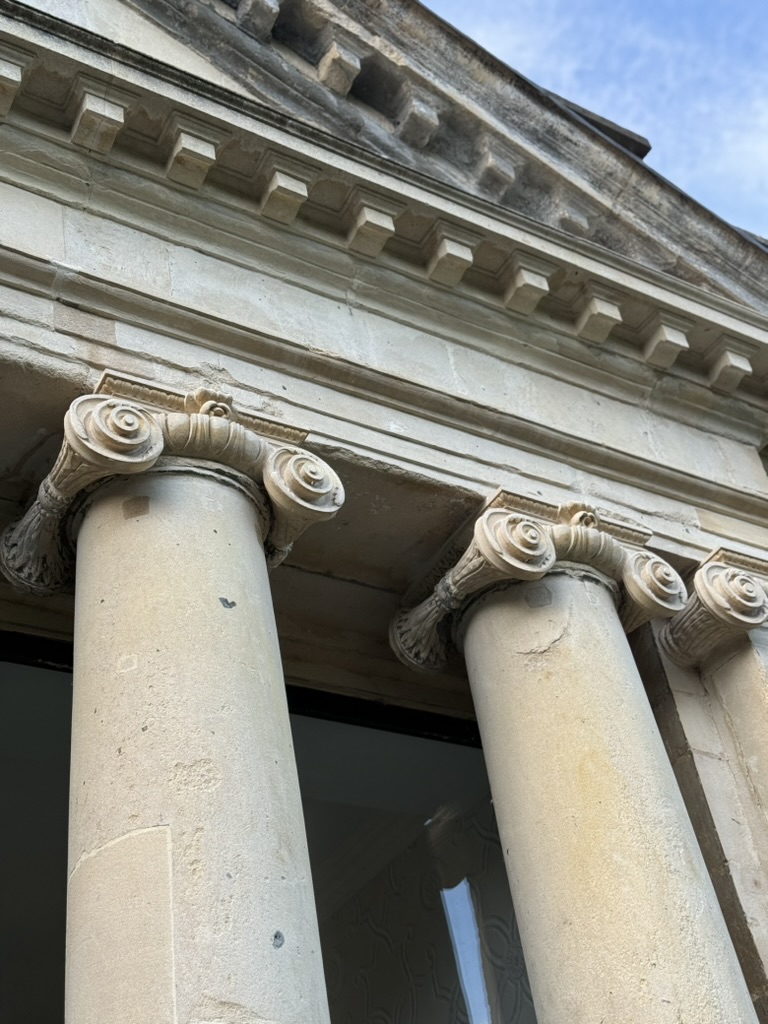
The Royal Crescent isn’t just the grandest address in Bath, and more than just its famous façade —it is a timeless cityscape with stories around every corner.
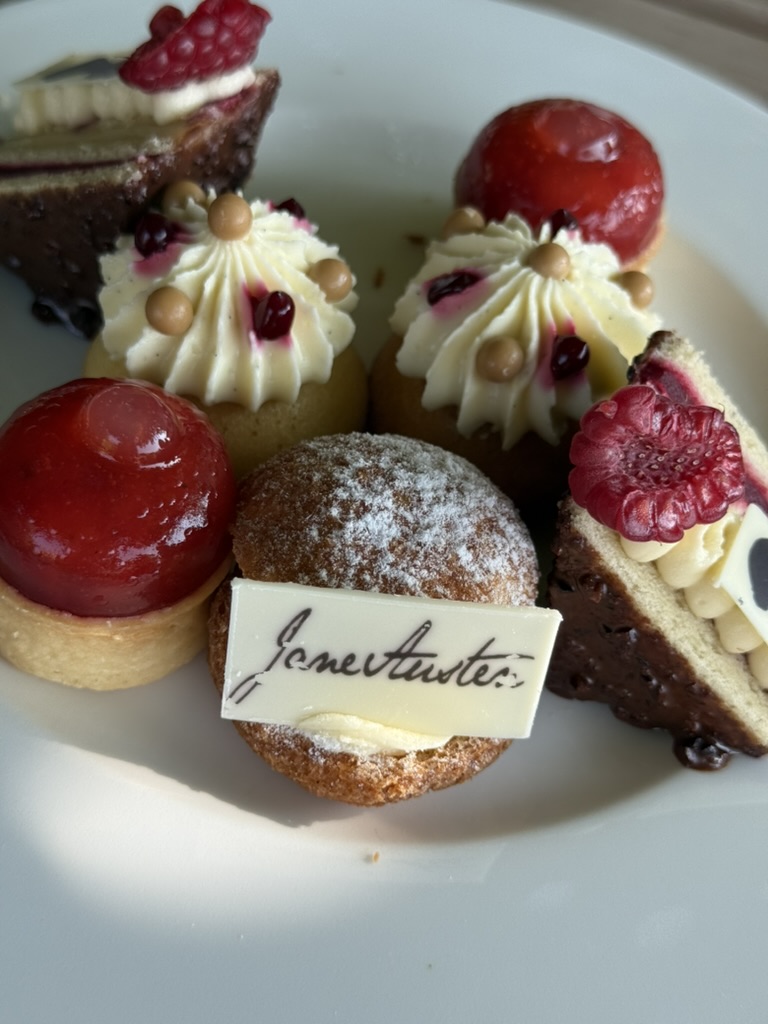
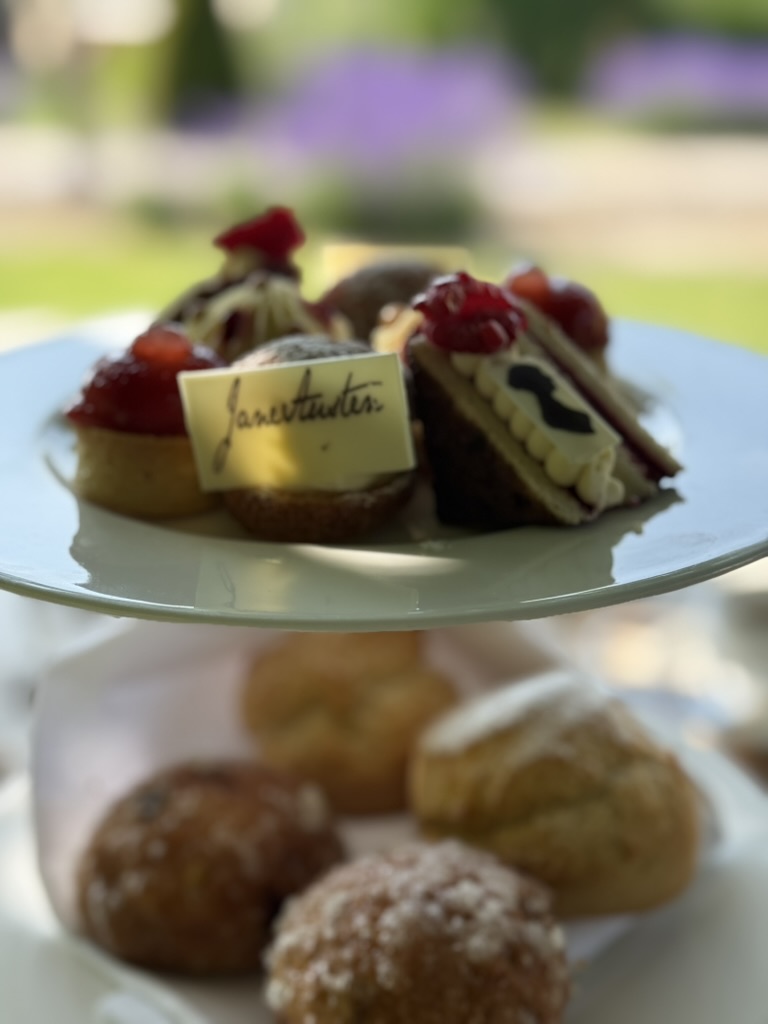
We had our second Afternoon Tea of the day, as, after all, it was the Jane Austen tea!
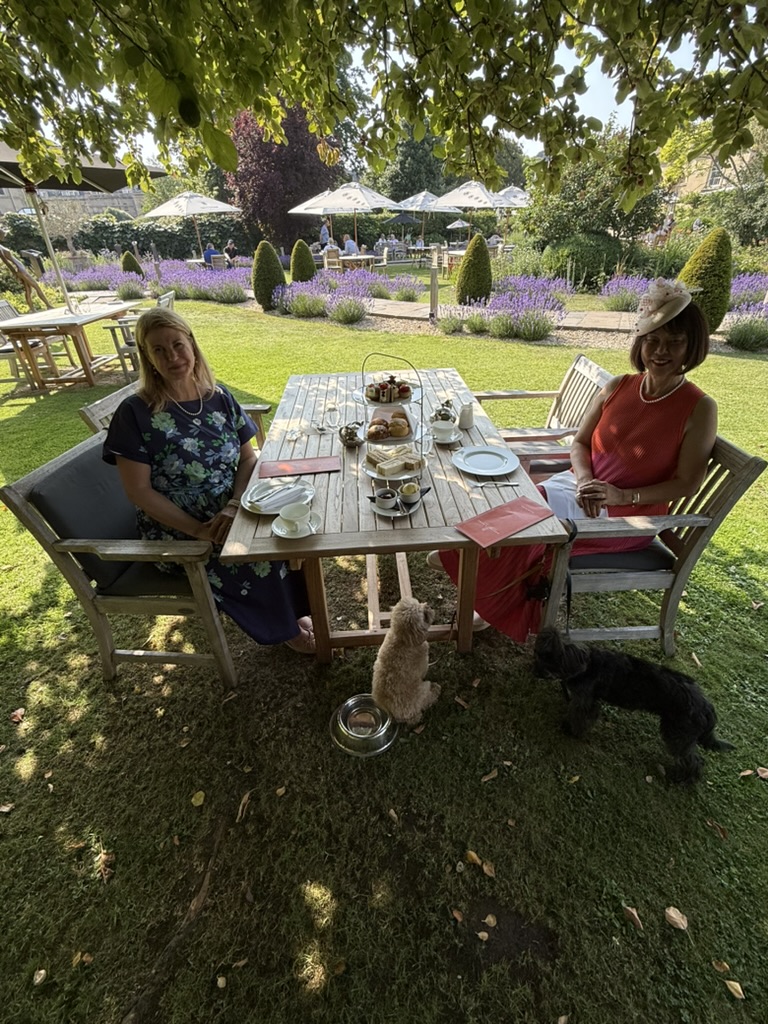
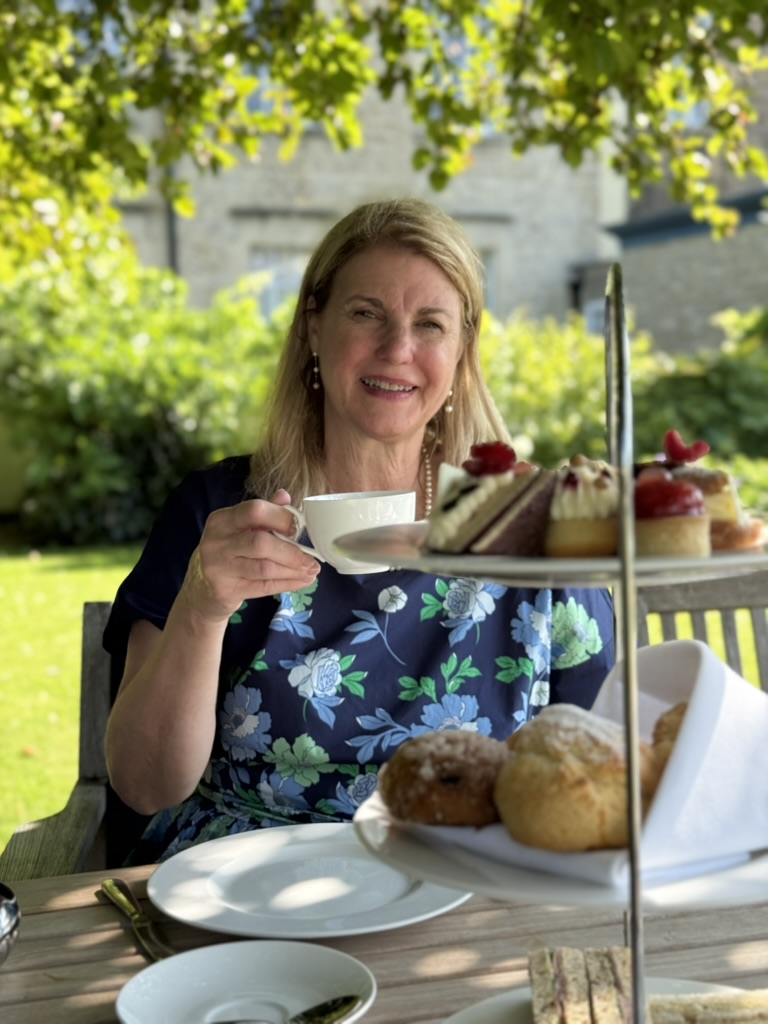
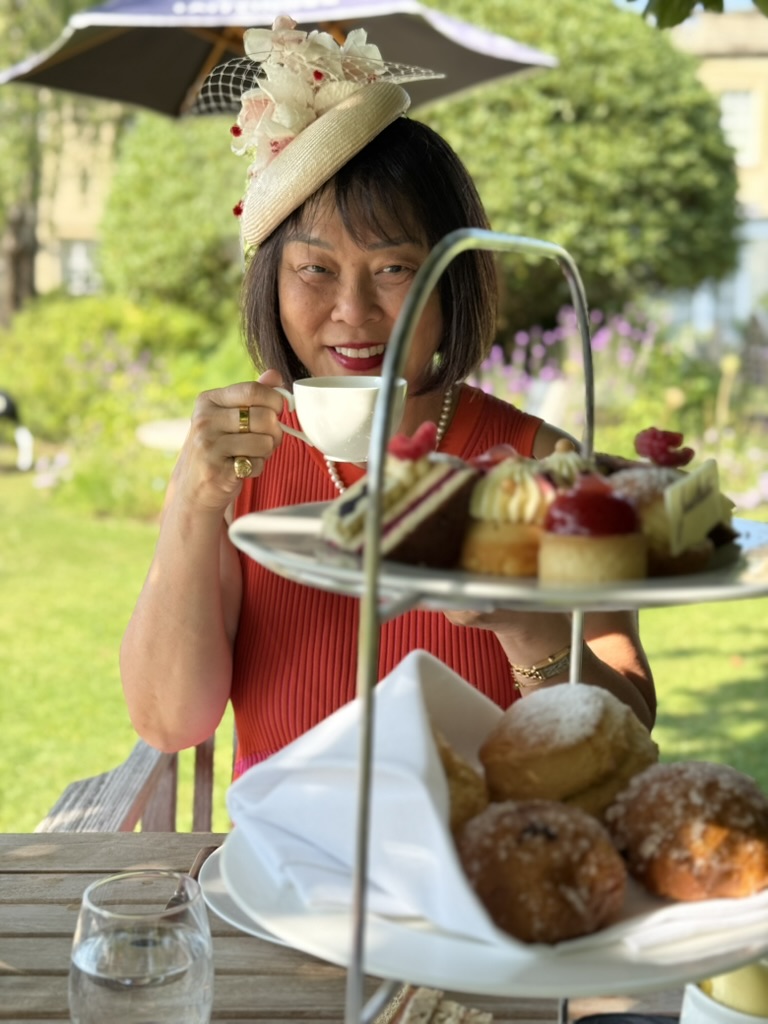
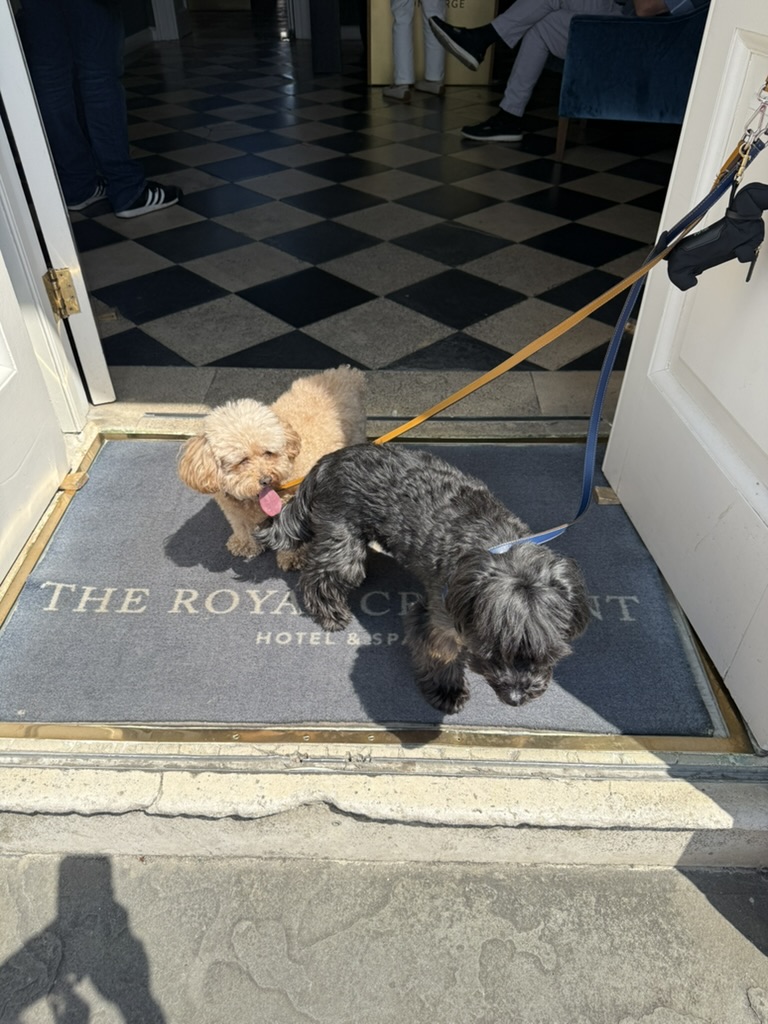
Naturally, it’s a dog-friendly hotel — or we wouldn’t be there. Four-legged guests are warmly welcomed throughout most of the property, with the only exceptions being the restaurant, Montagu’s Mews, and the Spa. On arrival, our pups were presented with their own beds, towels, and bowls, along with a charming Dog Welcome Pack featuring a tennis ball, biodegradable poo bags, and tasty chews. It’s the kind of thoughtful, fuss-free hospitality that makes humans and hounds feel perfectly at home.